OneSync
The biological intelligence layer for the AI agent economy.
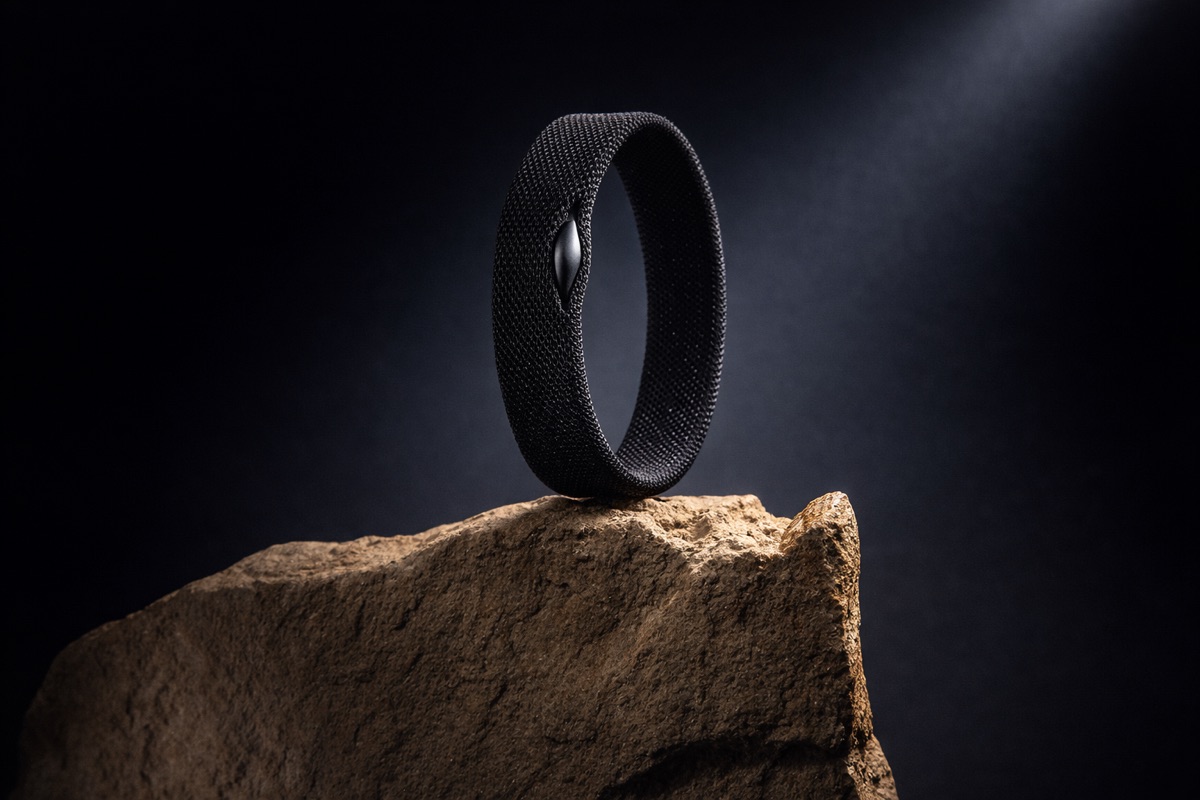
The Challenge
Every AI agent being built today — Lindy, Manus, OpenClaw — can manage your calendar and draft your emails. But none of them know when you're burning out. They'll schedule your hardest meeting when your HRV has crashed. They'll push you through a 14-hour day when your biology is screaming for recovery. 62% of knowledge workers report burnout, and the tools meant to help are making it worse — because they're blind to the one signal that matters most: your body.
The Approach
We started from the body outward, not the calendar inward. OneSync reads your existing smartwatch — Apple Watch, Pixel Watch, Galaxy Watch — and computes a Cognitive Readiness Score (CRS) from the interplay of sleep quality, HRV, circadian rhythm, and activity. The score updates every 15 minutes, runs on-device for privacy, and uses personal baselines instead of population norms. The agent reaches you proactively on Telegram — not buried in another health app you'll forget to open.
No agent has biology. No health app has agency. OneSync is the intelligence layer that combines both — because in the agentic economy, every agent will need to know your body.
The Solution
OneSync is a personal cognitive operating system built in three layers. Layer 1 (MVP): Body Intelligence — wearable data flows through encrypted on-phone processing into a CRS engine, with a Claude-powered agent that delivers morning cognitive briefs, real-time stress interventions, and conversational health chat via Telegram. Layer 2: Task Intelligence — workspace connectors (calendar, email, Slack) let the agent make biology-aware decisions like rescheduling deep work when your CRS crashes. Layer 3: Autonomous Agent OS — learned skills, multi-agent delegation, and MCP integration that turns OneSync into the biological layer under every other AI tool you use.
Impact & Results
Architecture finalized and MVP in active development. Cross-platform from day one (iOS + Android). Claude Haiku 4.5 agent with 8 tools, rules-based pre-filter saving 60-80% of API costs. Business model validated: 79% margin at Rs 399/mo ($4.34), break-even at 50 Pro subscribers. Team of 4 (CEO, CTO, COO, CPO). Agent architecture informed by 14 open-source agent systems including OpenClaw (171K stars), NemoClaw (NVIDIA), and OpenFang.
Reflection
The race to build the definitive personal AI agent has a blind spot. Everyone is starting from the outside in: calendars, emails, tasks, preferences. They're building AI that knows what you do. What you do is a performance. What your body does is the truth. If an AI doesn't understand your biology, it doesn't actually know you — and if it doesn't know you, it can't truly act for you.